Retaining Walls Explained: Prevent Erosion and Add Lasting Value
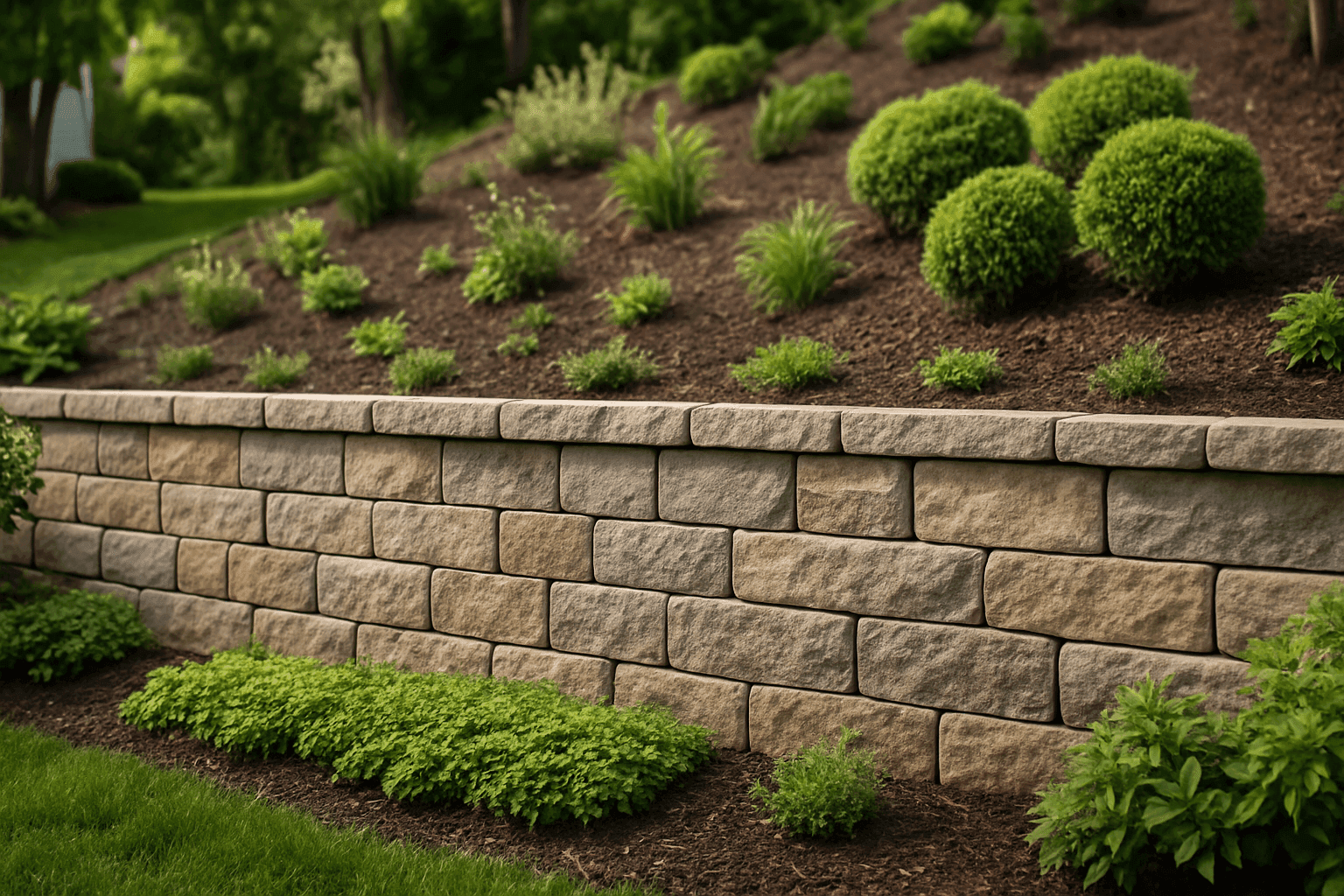
Soil can be stubborn. One heavy downpour and you’re left with muddy slopes, exposed roots, and a yard that looks like it’s in retreat. Sound familiar? For many homeowners, erosion is the silent thief—stealing soil, plants, and the vision they had for their outdoor space.
That’s where a well-built retaining wall steps in. At River Rock Landscaping, we’ve built everything from rugged stone barriers to sleek modular walls. Each one is a blend of science, safety, and style, custom-fit for your property and the local climate.
Why Retaining Walls Matter 🏡
A retaining wall isn’t just a fancy garden border. It’s a hardworking backbone for your landscape. Whether you’re dealing with a sloped yard, shifting soil, or want to carve out new garden beds, retaining walls are the unsung heroes.
- Stops soil erosion: Like putting a sturdy bookend on a shelf of loose novels, a retaining wall holds soil in place, rain or shine.
- Protects your home’s foundation: By redirecting water and stabilizing earth, walls help prevent costly damage.
- Creates new spaces: Terraces, patios, fire pits, and play areas all become possible—even on a hill.
- Boosts curb appeal and value: A tastefully designed wall frames your landscape with structure and charm.
The science is simple: gravity wants to pull everything downhill. Retaining walls push back, keeping your landscape exactly where you want it.
Types of Retaining Walls
Not all retaining walls are the same. The best type depends on your yard’s slope, soil, and what you want to achieve.
Gravity Walls
These use sheer weight to hold back soil. Think big boulders, stone, or thick concrete blocks. Ideal for lower walls and natural looks.
Cantilevered Walls
Built with reinforced concrete and steel, cantilevered walls use a base that extends under the soil for extra strength—like the lever on a playground seesaw. These are suited for taller or heavily loaded barriers.
Modular Block Walls
Interlocking concrete or stone blocks stack like puzzle pieces. They’re versatile, easy to repair, and come in a range of colors and textures.
Timber Walls
Wooden retaining walls offer warmth and blend with rustic settings. Pressure-treated lumber is key for durability, but these have a shorter lifespan than stone or concrete.
How They Prevent Erosion
Erosion is sneaky. Water carves channels, wind steals topsoil, and gravity does the rest. Retaining walls act like a dam for dirt:
- Redirecting water: Properly built walls channel water away from slopes and foundations.
- Slowing runoff: Terraced walls break up slopes into flat steps, giving rain a chance to soak in instead of washing soil away.
- Reinforcing roots: Walls stabilize planting beds so roots can anchor, locking soil in place.
The U.S. Department of Agriculture notes that physical barriers like retaining walls, combined with ground cover and mulch, can reduce soil loss dramatically.
Choosing Materials and Designs
Style meets substance when picking your wall. The right material not only holds up but blends with your landscape for lasting beauty.
- Natural stone: Classic, durable, and timeless. Works well in both modern and rustic gardens.
- Concrete block: Clean lines and customizable shapes. Lower maintenance and great for contemporary looks.
- Timber: Warm, approachable, and cost-effective. Just remember: wood needs more upkeep over time.
- Brick: Structured and elegant. Perfect for formal gardens or historic homes.
Design Tips
- Curved walls feel more organic and soften hard slopes.
- Mix materials—try stone for the main wall and brick for pillars or caps.
- Integrate steps, seating, or planters right into the wall.
- Highlight with outdoor lighting for safety and evening ambiance.
Drainage: The Hidden Hero
Water is both friend and foe. Without good drainage, even the strongest wall can fail. Here’s what matters:
- Weep holes: Small openings let water escape instead of building up behind the wall.
- Gravel backfill: Placed behind the wall, gravel keeps soil from clogging drains.
- Drainage pipes: French drains or perforated pipes move water away from the wall’s base.
Building codes, like those from the International Building Code (IBC), often require these features for safety, especially for walls over four feet tall.
Maintenance and Longevity
Retaining walls work hard year-round but need a little attention to stay safe and beautiful:
- Inspect for cracks, bulges, or leaning—address early to prevent bigger issues.
- Check drainage after storms. Clear clogged weep holes or pipes.
- Remove aggressive weeds or tree roots near the wall.
- Reapply mulch to garden beds above to minimize runoff.
Retaining Walls Fit Any Yard
Big backyard or cozy garden, there’s a wall design for you. From subtle garden edging to multi-tiered terraces, retaining walls adapt to:
- Small slopes or major hills
- Flower beds and vegetable plots
- Play areas, patios, or outdoor kitchens
River Rock Landscaping regularly adapts wall designs to meet the unique needs of residential yards—no matter the size or shape.
Safety and Professional Standards
Retaining walls do a serious job. That’s why construction isn’t just about stacking rocks and hoping for the best. Our team follows guidelines from sources like the American Society of Landscape Architects (ASLA) and local building codes.
- Foundations must be solid and below frost lines to prevent winter shifting.
- Reinforcement—like geogrid mesh or rebar—adds strength where needed.
- Walls above a certain height (usually 4 feet) may require engineering and permits.
We always recommend consulting a qualified landscaping professional for walls taller than three feet or those near structures.
Real-World Design Ideas
A retaining wall is more than a straight line in the dirt. Here are some creative touches we love:
- Built-in seating: Combine a wall and a bench for conversation-ready patios.
- Raised planters: Grow herbs, flowers, or veggies right at eye level.
- Water features: Integrate a small fountain or pond for added tranquility.
- Outdoor lighting: Low-voltage LEDs create drama and improve safety after dark.
Practical Tips for Homeowners
- Walk your yard after heavy rain—look for pooling water or soil movement.
- Keep mulch 2–3 inches thick in garden beds above walls for erosion control.
- Trim back hedges and trees so roots don’t push on the wall.
- Schedule seasonal cleanups and pest control for a tidy, healthy yard.
References for Further Reading
- International Building Code (IBC) guidelines for retaining wall safety
- American Society of Landscape Architects (ASLA) recommendations
- U.S. Department of Agriculture resources on soil conservation
Closing Thoughts
Retaining walls might seem simple, but they’re the backbone of a lasting landscape. When built with care and creativity, they do more than hold back earth—they shape outdoor living for years to come.
Whether your yard needs a sturdy slope solution or a stylish new patio, River Rock Landscaping offers guidance, skill, and a keen eye for design. Ready to talk about your project?
Call River Rock Landscaping now — or reach us anytime at 888-861-8965 .