Hardscaping vs. Landscaping: Choosing the Best Features for Your Home
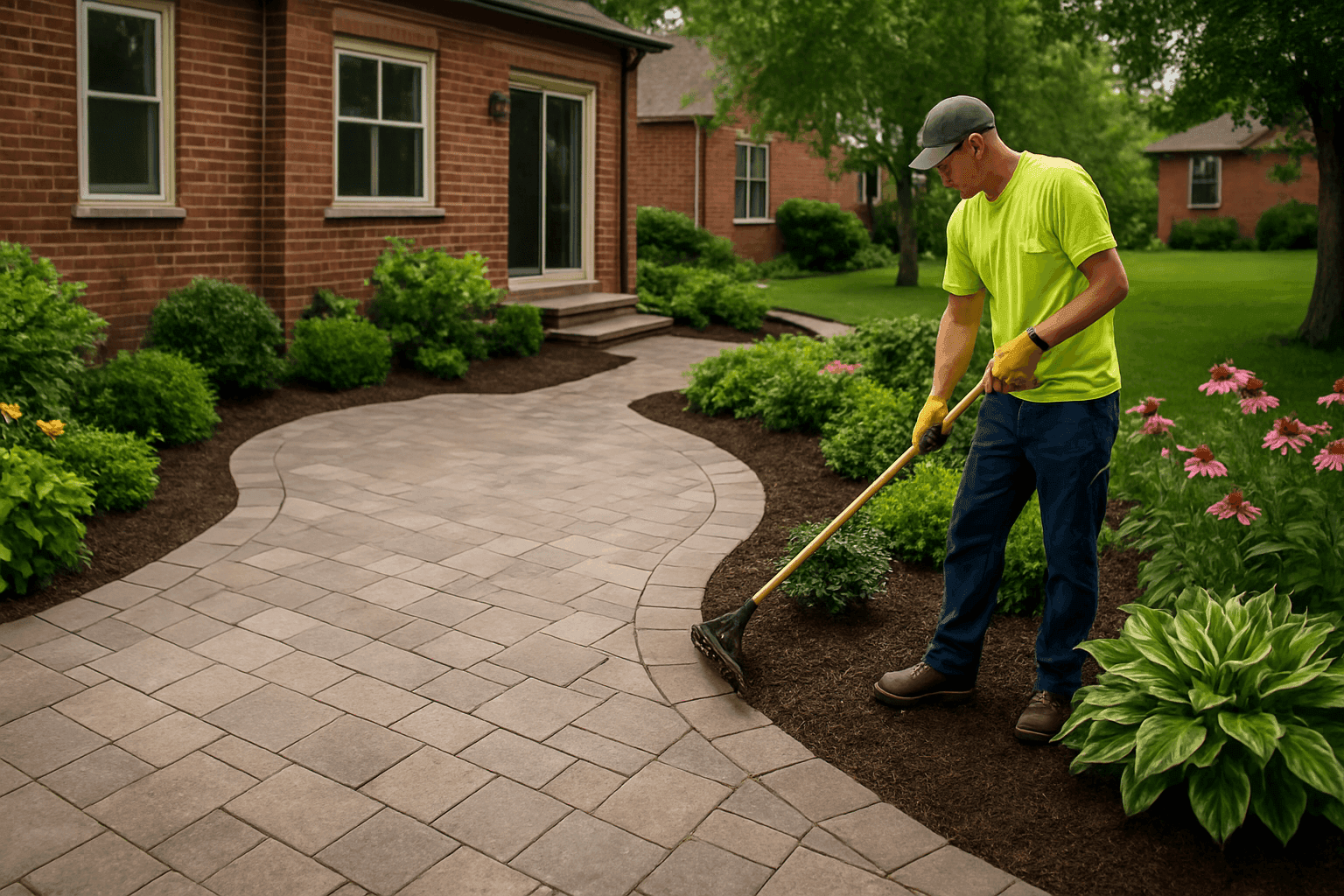
Are you dreaming of a backyard that feels like an escape? Or maybe you just want your front yard to make a statement and stay easy to care for. Whether you’re picturing winding stone paths or lush, green lawns, your choices matter. At River Rock Landscaping, we know the difference between hardscaping and landscaping isn’t just about stone versus soil—it’s about how your outdoor spaces live and breathe.
The right combination doesn’t just look beautiful. It works for your family, fits your property, and stands up to every season. Let’s dig into the details so you can decide what’s best for your home.
What Is Hardscaping? 🏡
Hardscaping is the backbone of your outdoor space. Think of it as the bones of the garden—the solid, unchanging features that define structure and flow. Instead of leaves and flowers, hardscaping uses stone, brick, wood, or concrete to create lasting elements.
Some of the most popular hardscape features include:
- Patios: Perfect for family gatherings, grilling, or just relaxing after a long day.
- Walkways: Guide your guests and family safely from one area to another while adding curb appeal.
- Retaining Walls: Prevent soil erosion, add visual interest, and carve out usable space on sloped lots.
- Fire Pits: Bring warmth, light, and a sense of togetherness to your backyard, even on chilly nights.
- Outdoor Kitchens: Take dinner outside, with everything you need close at hand.
- Fountains and Water Features: Create a tranquil atmosphere with the sound of moving water.
In simple terms, if it’s made from something you can’t rake or mow, it’s probably hardscaping.
Traditional Landscaping: Living Color
Landscaping is everything that grows. It’s the green canvas that surrounds your home—lawns, garden beds, trees, and shrubs. Landscaping adds life, color, and texture. It changes with the seasons and can be as wild or as tidy as you like.
Services like lawn care, garden bed installation, mulching, hedge trimming, and tree pruning all fall under the landscaping umbrella. These living elements soften the look of stone and wood, attract pollinators, and help keep your yard cool in the summer.
Benefits of Hardscape Features
Why add hardscape features to your yard? Here’s how they can transform your space:
- Low Maintenance: Unlike lawns that need weekly mowing or garden beds that require regular weeding, hardscapes are easy to keep clean and looking sharp.
- Year-Round Use: Patios, walkways, and outdoor kitchens provide usable space in every season, rain or shine.
- Durability: Quality hardscaping stands up to weather, foot traffic, and time. Materials like stone and brick can last for decades with minimal care.
- Functionality: Hardscapes create spaces for dining, playing, or just enjoying a quiet evening outdoors.
- Curb Appeal and Value: Well-designed hardscaping can increase your home’s value and make it more attractive if you ever decide to sell.
Think of hardscaping as the frame that makes your landscaping pop.
When to Blend Landscaping & Hardscaping
Most beautiful, functional yards use a mix of both. Hardscaping gives you structure; landscaping brings it to life. The real question is: how do you find the right balance?
Consider these scenarios:
- Drainage Challenges: Retaining walls and carefully placed stones can direct water away from your home and prevent soggy spots.
- Family Use: If you host barbecues, need safe paths for kids, or want a quiet nook for reading, hardscapes create those spaces.
- Personal Style: A modern home might call for clean lines and stone, while a cottage garden might blend winding paths with lush plantings.
A well-designed yard feels like it belongs to your home and your family.
Choosing the Right Elements for Your Home
Every yard is different. Your choices should reflect what matters most to you. Here’s a quick checklist to help guide your decision:
Yard Checklist: Hardscaping vs. Landscaping
- Do you want more usable outdoor living space (patio, seating area, fire pit)?
- Is low maintenance a top priority for you?
- Are there drainage or erosion issues on your property?
- Does your family need safe, clear walkways?
- Do you prefer a lush, green look or a tidy, structured feel?
- Are you looking to add value to your home for resale?
- Do you want to attract pollinators and wildlife?
- What’s your budget for installation and ongoing care?
- Do you have local codes or HOA guidelines to follow? (Check with your city or local building authority for rules on hardscape construction.)
- What’s your climate like? Does your region get heavy snow, long droughts, or lots of rain?
If you checked several boxes under both, it might be time to blend landscaping and hardscaping. If you’re not sure, a design consultation can help you see what’s possible.
The Safety Checklist: What to Know Before You Start
Before you break ground or lay a single stone, make sure you’re ready:
- Research local building codes and HOA rules (for example, check guidelines from the American Society of Landscape Architects).
- Call 811 or your local utility locator before digging to avoid underground lines.
- Think about water flow—hardscaping can change drainage patterns.
- Use slip-resistant materials for patios and walkways, especially if children or older adults will be using them.
- Plan for lighting: Safe paths and steps need reliable, code-compliant outdoor lighting.
DIY or Call in the Pros?
You might be tempted to tackle a new patio or garden bed yourself. Some projects (mulching, simple garden design, leaf removal near you) are perfect for a weekend. Others, like installing retaining walls or irrigation systems, require specialized skills, tools, and a deep understanding of how your yard works.
Ask yourself:
- Do you have experience with grading, drainage, or stonework?
- Can you safely handle heavy materials?
- Are you comfortable following construction codes and permitting processes?
When in doubt, it’s often safer—and more cost-effective—to work with professionals like River Rock Landscaping.
What Pros Do When They Arrive
A professional crew brings more than just tools. Here’s what you can expect:
- Site Assessment: Measuring slopes, checking soil quality, and mapping sun and shade patterns.
- Design Planning: Creating detailed plans that blend your ideas with practical needs.
- Code Compliance: Making sure every element meets local safety and building standards.
- Efficient Installation: Using the right materials and techniques for long-lasting results.
- Cleanup and Maintenance Tips: Leaving your yard tidy and sharing advice for easy care.
Professionals can also spot potential problems—like hidden drainage issues—before they become headaches.
Prevention & Maintenance: Keeping Your Yard Beautiful
A little regular care goes a long way. Here’s how to keep both hardscapes and landscapes looking their best:
- Sweep patios and walkways regularly to prevent moss or weed buildup.
- Seal stone and concrete surfaces every few years to prevent cracking and staining.
- Prune shrubs and trees away from hardscape edges to avoid root damage.
- Mulch garden beds to keep moisture in and weeds out.
- Schedule seasonal cleanups (spring and fall) to clear debris, trim growth, and refresh mulch.
Regular attention means less work down the road and a yard that always looks inviting.
Costs & Time Factors
Every project is unique, but here’s what typically shapes the cost and timeline:
- Size and Complexity: Larger patios or intricate walkways take more time and materials.
- Material Choices: Natural stone often costs more than concrete, but may last longer.
- Site Preparation: Sloped or rocky yards may need extra grading and prep work.
- Local Labor Rates: Your region and the season can affect costs and scheduling.
Simple upgrades like mulching or garden bed cleanup might take just a day. Larger projects—like outdoor kitchens or retaining walls—could run several weeks from planning to completion.
When It’s an Emergency
Sometimes, you can’t wait. If a retaining wall is crumbling, a walkway is dangerously uneven, or you have standing water after storms, don’t delay. These issues can cause safety hazards and costly property damage if left unchecked.
Call a professional right away if you notice:
- Large cracks or bulges in walls or patios
- Sudden pooling or flooding near your home’s foundation
- Loose stones or trip hazards in walkways
Quick action can prevent bigger (and more expensive) problems later on.
FAQ: Common Questions About Hardscaping & Landscaping
Q: Can I mix modern hardscaping with a more traditional garden?
Absolutely. A skilled designer will help blend styles for a cohesive look that matches your home.
Q: How do I know if I need a retaining wall?
If your yard slopes sharply or suffers from soil erosion, a retaining wall can prevent further damage and create usable space.
Q: Is hardscaping safe for kids and pets?
Yes, with proper planning. Use rounded stones, slip-resistant surfaces, and ensure features like fire pits are safely positioned.
Q: What’s the best time of year for outdoor projects?
Spring and early fall are the most popular times, but many hardscape features can be installed year-round, weather permitting.
Local & Seasonal Considerations
Here in the region, weather can be unpredictable—snow in winter, heavy rain in spring, and sun-soaked summers. When choosing features for your home, think about:
- Snow Removal: Flat, sturdy paths and driveways are easier (and safer) to clear in winter.
- Drainage: Good hardscape design prevents water from pooling after storms.
- Heat: Light-colored stone can stay cooler underfoot in summer.
- Perennial Plants: Choose hardy species that thrive in local soil and climate for landscaping.
Consult resources like the USDA Plant Hardiness Zone Map or your local extension office for plant and material recommendations.
Ready to transform your outdoor space? Call River Rock Landscaping now — or reach us anytime at 888-861-8965 .