How to Design a Dream Garden Bed: Tips for Stunning Results
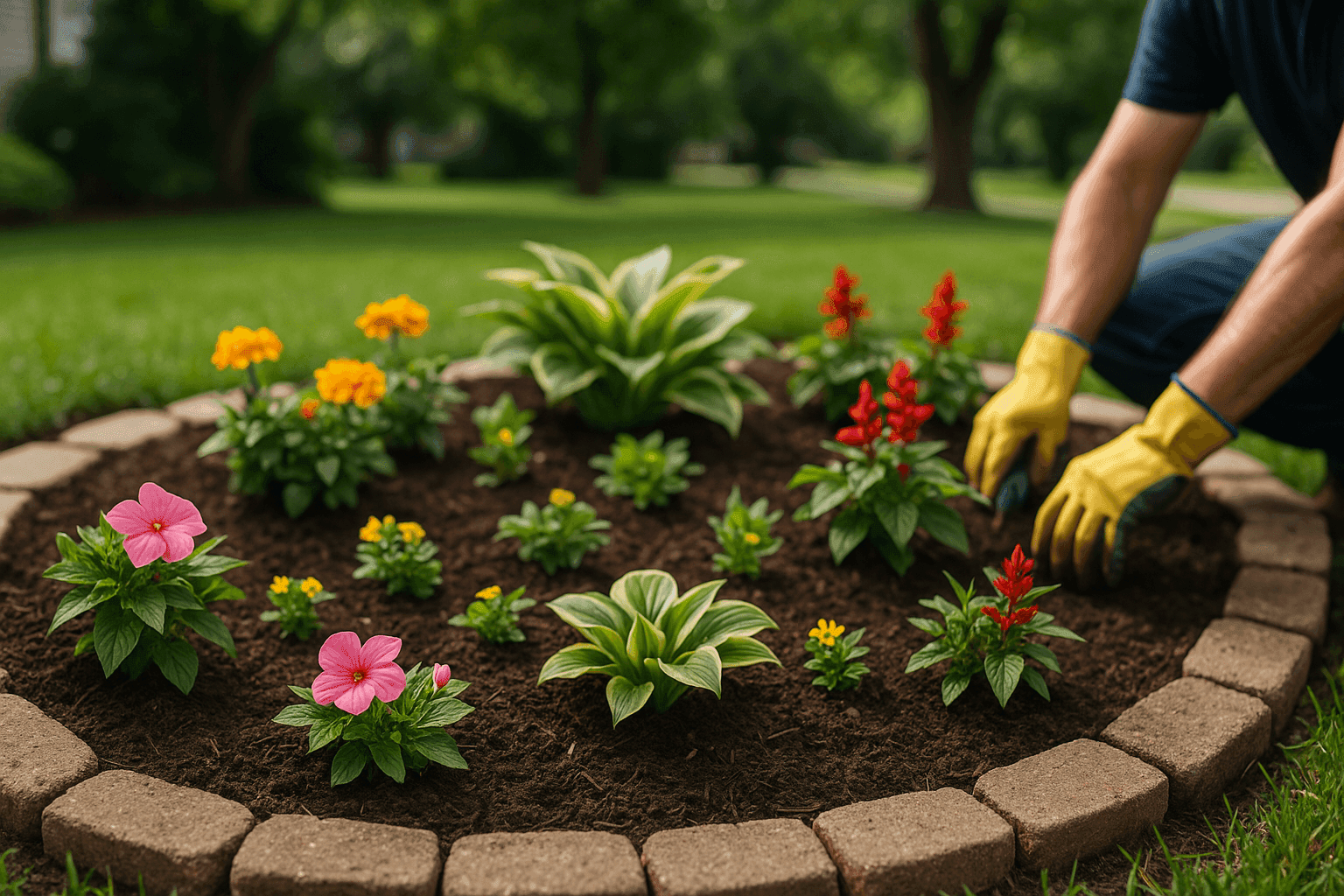
Does your yard feel a little bland? Maybe you’re dreaming of a garden bed bursting with color, texture, and life—but you’re not sure where to start. At River Rock Landscaping, we know creating a garden bed that turns heads isn’t just about digging and planting. It’s about combining nature’s elements into something both beautiful and practical.
A well-designed garden bed can be the heart of your landscape. With the right plan, even a small patch of dirt can become a stunning retreat. Let’s dig into how you can make your dream garden bed a reality—step by step.
Planning Your Garden Bed
Every masterpiece starts with a plan. Think of your garden bed as a living canvas. Before you lift a shovel, take a walk around your yard. Where does the sun hit? Is the soil sandy, loamy, or heavy with clay? Watch how water drains after a rain. These observations set the stage for everything that follows.
Foundational Design Principles 🌱
- Color: Like an artist’s palette, choose blooms and foliage that complement your home and each other. Too many bold colors can overwhelm; too few can fade into the background.
- Height: Layer plants by height. Place tall varieties in the back (or center of an island bed), medium in the middle, and short along the edges. This creates depth and makes maintenance easier.
- Texture: Mix fine, feathery leaves with broad, bold foliage. Contrast draws the eye and brings your garden to life.
- Seasonality: Plan for year-round interest. Combine spring bulbs, summer perennials, fall color, and even evergreen structure for winter.
Tip: Use a garden hose or string to outline the bed shape on your lawn. Curves often look more natural than sharp angles, but both can suit different home styles.
Choosing the Right Plants
Plant selection is more than picking your favorites. It’s about matching plants to your yard’s unique conditions and your vision for the space.
- Sun vs. Shade: Check plant labels or ask at your local nursery. Some flowers love full sun, while others wilt without afternoon shade.
- Soil Type & Drainage: Sandy soils drain fast, while clay holds water. Amend your soil based on what your chosen plants need. The U.S. Department of Agriculture (USDA) and your local extension office offer region-specific advice on soil improvement.
- Water Needs: Group plants with similar water needs together. This makes irrigation more efficient and prevents over- or under-watering.
Pro tip: Native plants are adapted to your climate. They need less water and resist local pests, making them a smart, sustainable choice.
Creating Visual Interest
A garden bed should delight the senses. Think beyond flowers.
- Mix Flowers and Foliage: Combine leafy plants with showy blooms for a bed that shines even when flowers fade.
- Add Hardscape: Stepping stones, a low retaining wall, or a decorative boulder can anchor the bed and add year-round structure.
- Vary Bed Shapes: Don’t be afraid to break from the rectangle. Kidney-shaped, crescent, or freeform beds can soften lines and add flow to your landscaping.
Layout Tips
- Plant in Odd Numbers: Groups of three or five look more natural than even rows.
- Repeat Colors and Shapes: Echoing a color or plant shape throughout the bed ties the design together.
- Leave Room to Grow: Check mature plant sizes and space accordingly. Overcrowding leads to competition and disease.
Installation and Maintenance Tips
You’ve got your plan. Now it’s time to get your hands dirty.
Preparing the Soil
- Clear the area of weeds, rocks, and debris.
- Loosen soil to a depth of 8–12 inches. Mix in compost or soil conditioner for nutrients and drainage.
- Level the bed and water it lightly before planting.
Planting
- Arrange plants while still in their pots to test your layout.
- Dig each hole twice as wide as the pot, but no deeper.
- Gently loosen roots before planting.
- Backfill with amended soil and water well.
Mulching and Edging
Mulch is more than decoration—it’s a secret weapon. A 2–3 inch layer of mulch suppresses weeds, retains soil moisture, and keeps roots cool. Choose natural options like shredded bark, pine straw, or leaf mulch (and if you need Leaf Removal near you, River Rock Landscaping can help prep your beds).
Edging—whether stone, metal, or plastic—defines the bed and keeps mulch and grass in their places.
Ongoing Maintenance
- Watering: Early morning is best. Water deeply and less often to encourage strong roots.
- Weeding: Pull weeds as soon as they appear. Mulch helps, but no garden is immune.
- Pruning and Deadheading: Remove spent flowers and trim back overgrown plants to keep the bed neat and healthy.
- Fertilizing: Use slow-release fertilizers or organic compost. Over-fertilizing can do more harm than good.
- Pest Control: Inspect regularly. Remove pests by hand or use integrated pest management practices recommended by your state’s extension service.
Quick Safety Checklist
Before you dig, check these crucial steps:
- Call 811 or your local utility locator to mark underground lines before digging.
- Wear gloves, sturdy shoes, and eye protection.
- Use tools with solid handles and sharp blades for less strain.
- Don’t lift heavy bags or stones alone—use a wheelbarrow or ask for help.
- Be mindful of allergies (plants, mulch, or insects).
DIY vs. Call a Pro
Some homeowners love the process—planning, planting, and watching their garden bed take shape. Others find it overwhelming, especially when dealing with tricky soil, irrigation systems, or larger hardscape features.
When DIY Works:
- Small beds with easy access.
- Straightforward plant choices.
- Simple designs.
When to Call the Pros:
- Large beds, steep slopes, or drainage issues.
- Installing irrigation, retaining walls, or outdoor lighting.
- Custom features like walkways, fire pits, or water elements.
- If you need seasonal cleanups or regular landscape maintenance.
River Rock Landscaping’s team has seen it all—from tangled beds overrun with weeds to blank slates ready for transformation. We evaluate sun, soil, existing features, and your goals to create garden beds that last.
What Pros Do On Arrival
When a professional landscaping crew arrives, they:
- Assess site conditions: sun, shade, soil, drainage, and existing plants.
- Listen to your goals and preferences.
- Design a layout that balances color, height, and bloom times.
- Recommend plants that thrive in your region.
- Prepare and amend soil for healthy root growth.
- Install edging, mulch, and any hardscape features.
- Set up irrigation or offer watering guidelines.
- Provide maintenance tips for lasting beauty.
Prevention & Maintenance
A little prevention saves a lot of hassle down the road.
- Mulch annually to renew weed control and moisture retention.
- Edge beds each spring to keep lines crisp and grass out.
- Test soil every 2–3 years to monitor nutrients and pH.
- Inspect irrigation for leaks or clogs.
- Seasonal cleanups clear away fallen leaves, dead stems, and debris (especially important for pest prevention).
Costs & Time Factors
Garden bed projects can vary widely in scope and cost. Factors include:
- Bed Size: Larger beds need more plants, mulch, and labor.
- Plant Selection: Perennials and natives may cost more upfront but pay off in reduced maintenance.
- Hardscape Elements: Features like retaining walls, walkways, or outdoor lighting increase investment and time.
- Soil Preparation: Amending poor soil or improving drainage adds to the timeline.
- DIY vs. Professional: Doing it yourself saves on labor but may take longer and require new tools.
A small DIY garden bed might be ready in a weekend, while a more complex, professionally designed bed could take several days to a week.
When It’s an Emergency
Most garden beds aren’t emergencies—but some issues need urgent attention:
- Persistent water pooling (could signal drainage problems).
- Sudden plant death or widespread disease.
- Invasive pests threatening nearby trees or lawns.
In these cases, swift action can protect your investment and prevent bigger problems. River Rock Landscaping can help diagnose and address urgent landscape issues safely.
FAQ
Q: How do I keep weeds out of my garden bed?
A: Mulch is your best friend. Apply a 2–3 inch layer after planting. Edge the bed annually. Pull weeds as soon as you spot them.
Q: What’s the best mulch to use?
A: Natural mulches like shredded bark, pine straw, or leaf mulch enrich the soil as they break down. Avoid dyed or synthetic mulches near edibles.
Q: How often should I water new plants?
A: Water deeply 2–3 times per week, depending on weather. Adjust as plants establish. Morning is best to prevent disease.
Q: Can I grow a garden bed in clay or sand?
A: Yes—with preparation. Amend clay with compost for drainage; add organic matter to sand to help it retain moisture.
Local/Seasonal Considerations
Your region shapes your garden bed choices. Coastal areas might favor salt-tolerant plants; northern climates benefit from evergreens and hardy perennials. Wherever you live, time planting for your area’s frost dates and choose plants rated for your USDA hardiness zone.
Seasonal cleanups—like leaf removal and mulching—set your beds up for success each year. Winter prep (cutting back perennials, adding mulch, and checking irrigation) can prevent spring surprises.
Ready to Create Your Dream Garden Bed?
A great garden bed blends art and science. With smart planning, the right plant choices, and a little sweat equity—or help from local landscaping professionals—you can turn your yard into a showpiece. Whether you want a low-maintenance retreat or a riot of color, River Rock Landscaping is here to help.
Call River Rock Landscaping now — or reach us anytime at 888-861-8965 .