Ultimate Guide to Seasonal Yard Cleanups: What Every Homeowner Should Know
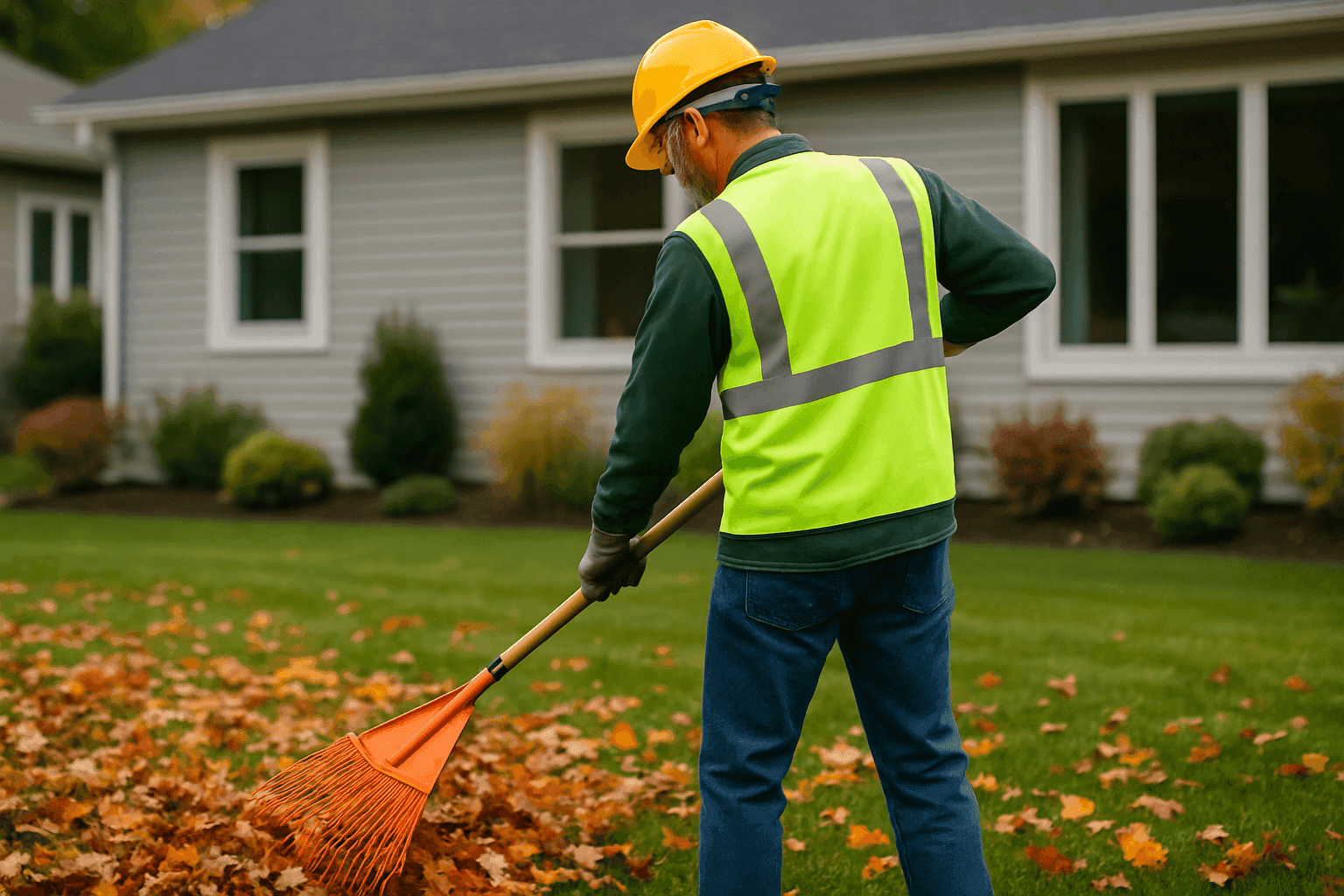
Every homeowner dreams of a yard that’s vibrant, tidy, and inviting. But nature doesn’t take days off. Leaves fall, branches snap, and weeds march in like uninvited guests. If you’ve ever watched your backyard go from “magazine cover” to “jungle” in a single season, you know: regular yard cleanups aren’t just a chore—they’re a necessity.
At River Rock Landscaping, we’ve seen it all: the post-winter brown lawns, the autumn leaf avalanches, the spring bursts of weeds. The secret to a healthy, beautiful yard? Consistent, seasonal cleanups matched to your local climate, soil, and plant needs.
Why Seasonal Yard Cleanup Matters 🍂
Leaving your yard to the whims of the seasons is like skipping oil changes in your car. You might get by—until something breaks down. Here’s why seasonal yard cleanup is key:
- Lawn Health: Regular leaf removal, debris clearing, and pruning let sunlight and air reach your grass and garden beds, promoting stronger roots and greener growth.
- Pest Prevention: Piles of leaves and branches create cozy homes for insects and rodents, according to the National Association of Landscape Professionals.
- Curb Appeal: First impressions matter. A tidy yard boosts your property’s look and value.
- Storm Recovery: Wind, rain, and snow can leave a mess. Quick cleanups prevent long-term damage.
- Safety: Slippery leaves, hidden debris, and overgrown branches can all become hazards for your family.
Consistency is everything. Think of seasonal cleanup as a reset button for your yard—preparing it for whatever nature throws its way next.
Step-by-Step Cleanup by Season (Spring, Summer, Fall, Winter)
Every season brings its own yardwork. Here’s what to tackle—and when:
Spring
- Leaf & Debris Removal: Clear winter’s leftovers—fallen branches, matted leaves, and dead plant material. This opens space for new growth.
- Garden Bed Cleanup: Pull out weeds and leftover annuals. Rake garden beds gently to avoid damaging emerging perennials.
- Pruning: Shape shrubs and trim dead branches before new buds swell.
- Mulching: Add a fresh layer around trees and beds to lock in moisture and suppress weeds.
- Soil Testing: Early spring is ideal for checking soil health and adjusting pH or nutrients.
- Irrigation Check: Inspect sprinkler heads and hoses for winter damage.
Summer
- Lawn Care: Mow regularly, keeping blades sharp. Don’t scalp the grass—taller blades shade roots and hold moisture.
- Weed Control: Stay vigilant. Pull weeds before they flower.
- Hedge Trimming: Tidy up hedges and shrubs. Remove damaged branches.
- Pest Monitoring: Watch for signs of insects or disease. Early intervention is easier.
- Water Features: Clean and treat ponds or fountains to prevent algae.
Fall
- Leaf Removal: Don’t let leaves smother your lawn. Rake or use a mulching mower.
- Garden Bed Maintenance: Remove spent annuals, cut back perennials, and add compost.
- Fertilization: Feed your lawn to strengthen roots for winter. Follow local guidelines for timing and type.
- Pruning: Cut back dead or diseased branches. Don’t prune spring-flowering shrubs now—they set buds over winter.
- Mulching: Refresh mulch to insulate roots as temperatures drop.
Winter
- Storm Debris Removal: After snow or ice, clear fallen limbs promptly to prevent damage.
- Snow Removal: Keep walkways and driveways clear. Avoid piling snow on garden beds.
- Protect Plants: Wrap tender shrubs with burlap if your region experiences harsh winters.
- Equipment Care: Clean and store garden tools, empty hoses, and winterize irrigation systems.
Common Mistakes to Avoid 🚫
Even the most dedicated homeowner can slip into these pitfalls:
- Ignoring Small Tasks: Little messes become big problems. Address debris and weeds before they spread.
- Over-Mulching: Too much mulch suffocates roots and invites pests.
- Improper Pruning: Cutting at the wrong time or angle can damage plants. Check horticultural guides or consult a local extension service.
- Skipping Soil Testing: Guesswork leads to nutrient imbalances. Test before adding fertilizer.
- Delaying Leaf Removal: Wet, compacted leaves can create mold and bare patches in your lawn.
When to Call a Pro
Sometimes, DIY just isn’t enough. Here’s when it’s wise to bring in a landscaping professional:
- Large Properties: More ground means more work—and more specialized equipment.
- Heavy Storm Damage: Fallen trees or limbs may require chainsaws, safety gear, and expertise.
- Complex Features: Ponds, irrigation, outdoor lighting, and retaining walls often need professional hands.
- Chronic Issues: Persistent weeds, pests, or drainage problems call for a trained eye and advanced solutions.
- Time Crunch: If life’s too busy, pros keep your yard on track without sacrificing your weekends.
Homeowner’s Seasonal Yard Cleanup Checklist
Keep this on your fridge or in your shed:
- Remove leaves and debris from lawn and beds
- Prune trees, shrubs, and perennials as needed
- Weed garden beds and walkways
- Mulch beds appropriately (2–3 inches)
- Inspect and maintain irrigation systems
- Check for pests and treat if necessary
- Aerate and fertilize lawn (seasonally)
- Clean and store tools after use
- Monitor for storm damage after severe weather
Expert Tips on Timing and Tools
- Early Morning or Late Afternoon: Avoid midday heat for most yard tasks.
- Sharp Tools: Clean, sharp pruners and mowers make the job easier and reduce plant stress.
- Protective Gear: Gloves, safety glasses, and sturdy shoes are a must.
- Bag or Compost: Use biodegradable bags for leaves, or start a compost pile for garden waste.
- Local Resources: Many municipalities offer seasonal leaf removal near you—check your city’s schedule.
Citing Horticultural Best Practices
The University of Minnesota Extension and the National Association of Landscape Professionals both recommend seasonal yard maintenance to promote plant health, reduce disease, and enhance curb appeal. Following local and national guidelines ensures your yard care is safe, effective, and environmentally responsible.
Frequently Asked Questions
How often should I schedule a yard cleanup?
Ideally, plan for a major cleanup at the start of each season. Quick touch-ups—like leaf removal and weeding—may be needed monthly, especially in fall and spring.
Is mulching necessary every season?
Mulching in spring and fall is most important, but check your beds regularly. Replace mulch that’s thin, decomposed, or washed away.
Can I handle large fallen branches myself?
Small limbs are manageable with hand tools, but anything over 3–4 inches wide or tangled in power lines should be handled by a pro for safety.
What if my yard seems overwhelmed with weeds every year?
Persistent weed issues often point to soil, drainage, or mowing problems. A landscaping professional can diagnose and address the root cause.
Local/Seasonal Considerations
Your region’s climate shapes your yard’s needs. In snowy states, winter cleanups focus on snow removal and protecting dormant plants. In warmer areas, summer brings intense growth—and more frequent mowing and irrigation. Pay attention to local frost dates, rainfall patterns, and city ordinances on leaf removal near you.
No matter where you live, adapting your cleanup routine to your local environment protects your investment and keeps your landscape thriving.
Ready to make seasonal yard cleanups effortless—and see the difference in your landscape?
Call River Rock Landscaping now — or reach us anytime at 888-861-8965 .