Emergency Landscape Cleanup: What to Do After Storms or Freeze Events
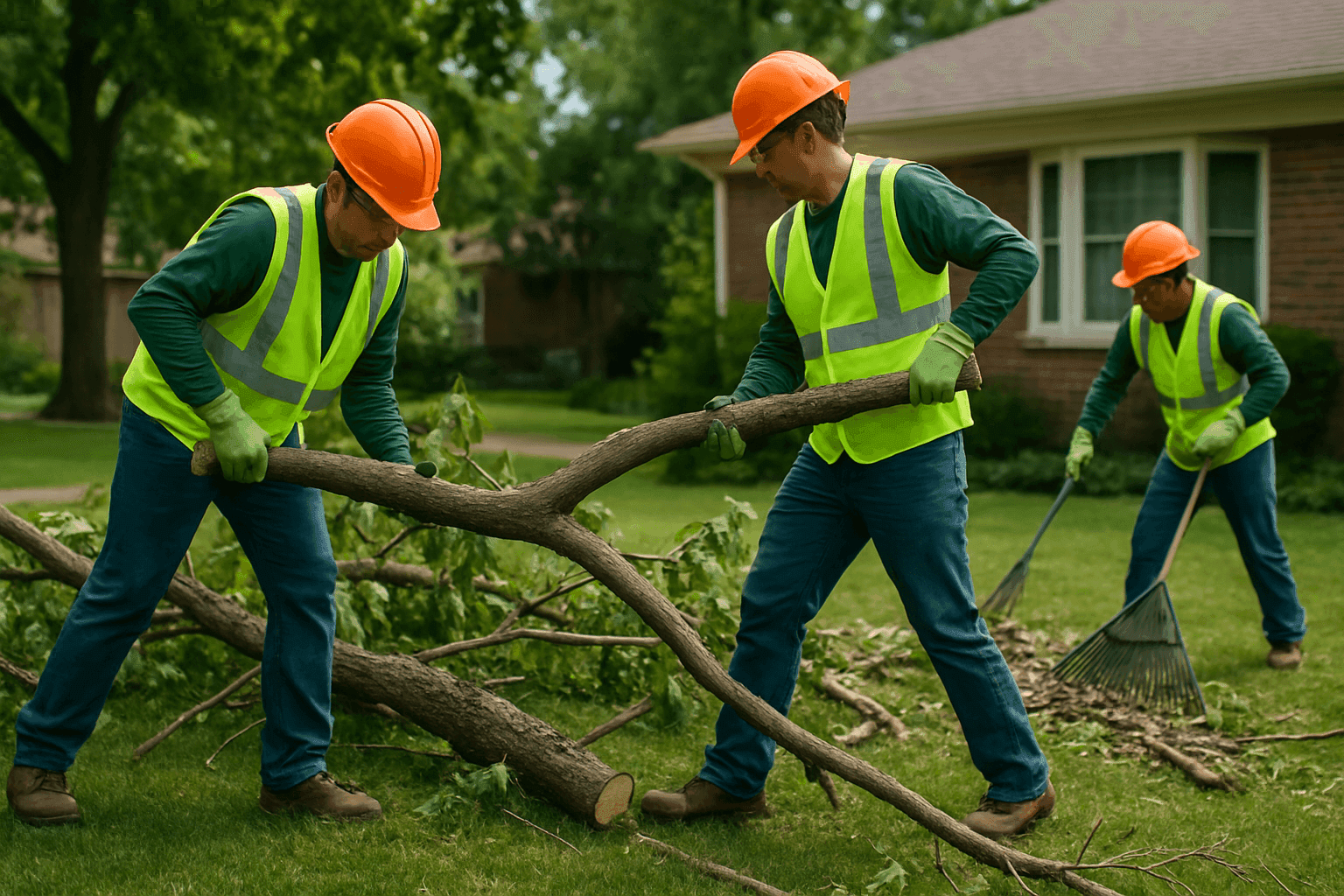
When the sky darkens and the wind howls, your peaceful backyard can turn into a scene of chaos overnight. Storms and sudden freezes leave behind broken branches, battered plants, and a mess that feels overwhelming. You’re not alone—every homeowner faces these moments, and getting your landscaping back on track is possible, one step at a time.
At River Rock Landscaping, we know the stress of seeing a favorite tree down or a garden bed under water. We’re here to guide you through emergency landscape cleanup—safely, efficiently, and with the same care we give our own yards.
Assessing Storm and Freeze Damage 🌪️
First things first: look before you leap. Walk your property with a careful eye after the weather clears. Don’t rush out—storm debris hides hazards.
Here’s what to check:
- Downed limbs and branches: Look for broken tree limbs near walkways, driveways, or hanging overhead.
- Flooding and water pooling: Check low spots, garden beds, and around your home’s foundation.
- Plant loss: Inspect shrubs, flowers, and sod for uprooting, frost burn, or heavy leaf drop.
- Hardscaping impact: Examine patios, walkways, and retaining walls for cracks or shifting.
- Outdoor structures: Fences, pergolas, and seating areas may be unstable or damaged.
Take photos for insurance or records. Write down what you see. This snapshot helps you plan next steps and avoid missing hidden problems.
Priority Cleanup Tasks
Now it’s time to dig in, but safely and systematically. Here’s a practical checklist:
- Clear walkways first. Remove branches, leaves, or ice where people walk.
- Remove loose debris. Bag up small twigs and leaves for Leaf Removal near you or municipal pickup.
- Cut and stack fallen branches. Use loppers or a handsaw—never a chainsaw unless trained.
- Inspect trees for hazards. Leaning or split trunks can be unstable. Flag these for professional tree care.
- Rake and aerate sod. If grass is matted or covered in debris, gently rake to promote recovery.
- Check garden beds. Remove soggy mulch, trim frost-damaged perennials, and stake plants if needed.
- Inspect garden bed edging and hardscaping. Reset shifted stones or bricks to prevent tripping hazards.
- Clean out drainage areas. Clear leaves from gutters and storm drains to reduce future flooding.
Safety Precautions
Storm cleanup isn’t just messy—it’s risky. Here’s how to stay safe:
- Never touch downed power lines. Call your utility company immediately if lines are down or if you see sparks.
- Watch for hanging limbs. “Widow-makers” are branches snagged high in trees. Stay clear until a professional can remove them.
- Wear sturdy boots and gloves. Nails, glass, and thorns are often hidden in debris.
- Beware of unstable structures. Pergolas, fences, and even patio furniture can shift or collapse.
- Don’t rush tree work. Removing large or heavy limbs is dangerous without the right skills and gear.
- Follow local safety codes. The Occupational Safety and Health Administration (OSHA) and your local fire department offer guidelines for storm cleanup.
If in doubt—pause and call for help. Your safety comes first.
When to Hire a Professional
Not every job is a Saturday-afternoon sweep. Sometimes, the scale or danger means it’s time to bring in a seasoned landscaping crew.
Call a professional when:
- A tree or large limb is tangled in power lines or blocking the road.
- You see cracked trunks, split crotches, or trees leaning toward your house.
- There’s major flooding, erosion, or mudslides in your yard.
- Hardscaping like retaining walls or patios have shifted or collapsed.
- You need heavy equipment for hauling or demolition.
- Debris removal is too large for normal trash pickup.
Landscaping pros follow emergency standards set by the International Society of Arboriculture (ISA) and local building regulations. They have the right tools, safety gear, and experience to restore your outdoor space without putting anyone at risk.
Step-by-Step: Safe Debris Removal
Here’s a simple process you can follow for smaller cleanups:
- Survey the area. Walk slowly. Listen for creaks or movement.
- Remove surface debris. Start with leaves, twigs, and small branches.
- Cut manageable branches. Use hand tools for pieces under 2 inches thick.
- Stack debris safely. Pile branches away from walkways and keep piles low.
- Check drainage. Unclog gutters and pop-up drains.
- Rake lawns and beds. Remove matted layers to let sunlight in.
- Assess plants. Trim away dead growth. Water if dry, but hold off if soil is soggy.
- Bag and bundle waste. Follow your town’s yard waste rules.
Remember: Whenever you feel out of your depth, it’s okay to stop and call for help.
Tree Care After Storms
Trees bear the brunt of high winds and ice. Some can bounce back; others need immediate attention.
- Look for hanging branches or “cracks.” These may break later and cause injury.
- Trim only minor damage. Remove broken twigs and small limbs.
- Don’t top trees. Cutting off the tops weakens them and makes future storms worse.
- Leave major pruning to certified arborists. This keeps the tree healthy and property safe.
The Arbor Day Foundation and local extension offices can provide advice on safe tree recovery.
Garden Recovery: Bringing Beds Back to Life
Storms leave garden beds flattened or flooded. Here’s how to help them recover:
- Remove soggy mulch and debris.
- Trim frost-damaged or broken stems.
- Stake or support bent perennials.
- Aerate compacted soil gently.
- Top-dress with fresh mulch.
- Reseed or replant where needed.
Don’t rush to replace everything right away. Sometimes plants surprise you by bouncing back with a little time.
Outdoor Structures & Hardscaping
Walkways, patios, and retaining walls can shift or sink in wet weather. After a storm:
- Check for tripping hazards.
- Look for loose pavers or stones.
- Reset minor problems by hand; call a pro for cracks or collapse.
- Inspect outdoor lighting and irrigation systems for water damage.
Repairs now prevent bigger headaches next time.
Prevention & Maintenance
The best emergency is the one that never happens. Regular landscape maintenance prepares your yard for whatever the forecast brings.
- Prune trees and shrubs each season.
- Remove dead wood and weak limbs.
- Keep gutters and drains clear.
- Build up low spots with soil and mulch.
- Install retaining walls or swales to direct water.
- Check irrigation systems for leaks.
- Schedule seasonal cleanups with a landscaping crew.
Simple habits make your outdoor space more storm-resistant year-round.
Costs & Time Factors
Every storm is different, and so are cleanup needs. Here’s what affects cost and timing:
- Size of property and amount of debris
- Type of damage (trees, flooding, hardscaping)
- Accessibility for equipment
- Volume of waste for removal
- Need for specialized services (tree removal, grading, repair)
Some jobs are done in a morning; others take several days and require permits or inspections. Always request a detailed estimate before work begins.
When It’s an Emergency 🚨
A few signs mean you need help right away:
- Live power lines on the ground
- Trees on houses, cars, or blocking exits
- Major flooding or mudslides
- Gas smells or hissing sounds outdoors
- Unstable structures at risk of collapse
Call emergency services first, then contact a licensed landscaping company for safe cleanup.
FAQ: Emergency Landscape Cleanup
Q: Can I save a tree that’s leaning after a storm?
A: Sometimes, if the tree is small and roots are intact. Larger trees need professional assessment—trying to “pull” a big tree upright can be dangerous.
Q: How soon should I clean up after a storm or freeze?
A: Wait until it’s safe and weather has fully passed. Start with walkways and hazards, then move to plants and garden beds.
Q: Will damaged plants recover, or do I need to replace them?
A: Many plants bounce back after a setback. Trim damaged parts, give them time, and replant only if they don’t recover in the following weeks.
Q: Should I fertilize after a freeze or storm?
A: Hold off on fertilizing right away. Damaged plants need time to recover roots and stems first—fertilizer can stress them further.
Local and Seasonal Considerations
Storms and freezes happen in every region, but the details change:
- Northern climates: Snow and ice bring down limbs; spring floods can wash out beds.
- Southern zones: High winds and sudden cold snaps stress subtropical plants.
- Coastal areas: Salt spray and flooding demand extra attention to drainage and plant selection.
River Rock Landscaping adapts our approach to your region’s unique challenges. We follow state and federal safety guidelines, plus recommendations from the National Weather Service and your local extension office.
Your yard can thrive again, even after the wildest weather. For safe, reliable help with emergency landscape cleanup, Call River Rock Landscaping now — or reach us anytime at 888-861-8965 .